Industrial Air Duct Cleaning
Safety-first coordination, phased planning, documentation you can file
ClearVent USA delivers industrial air duct cleaning with site-ready crews, controlled access planning, and verified completion for facilities teams. We plan around production schedules to reduce downtime and keep the workflow predictable.
Industrial environments we support
Choose your facility type for the right scope and planning approach
Industrial sites vary by access, safety requirements, and operating hours, so scope and scheduling must match the environment. Use the options below to route to the most relevant page and get a clearer plan fast.
Manufacturing Facilities
Built for active production areas where downtime is expensive and access is controlled. Work is phased by lines or zones with scheduling that can align to shifts and safety rules.
Warehouses
Designed for high-bay spaces, long duct runs, and busy aisles where workflow can’t stop. Service is planned in sections with staging and access zones that keep lanes moving.
Distribution Centers
Structured for large footprints and multi-zone HVAC systems that need predictable progress. Execution is phased by zone with report-ready documentation suited for corporate facilities teams.
What industrial duct cleaning includes
Clear HVAC scope, defined access, verifiable deliverables
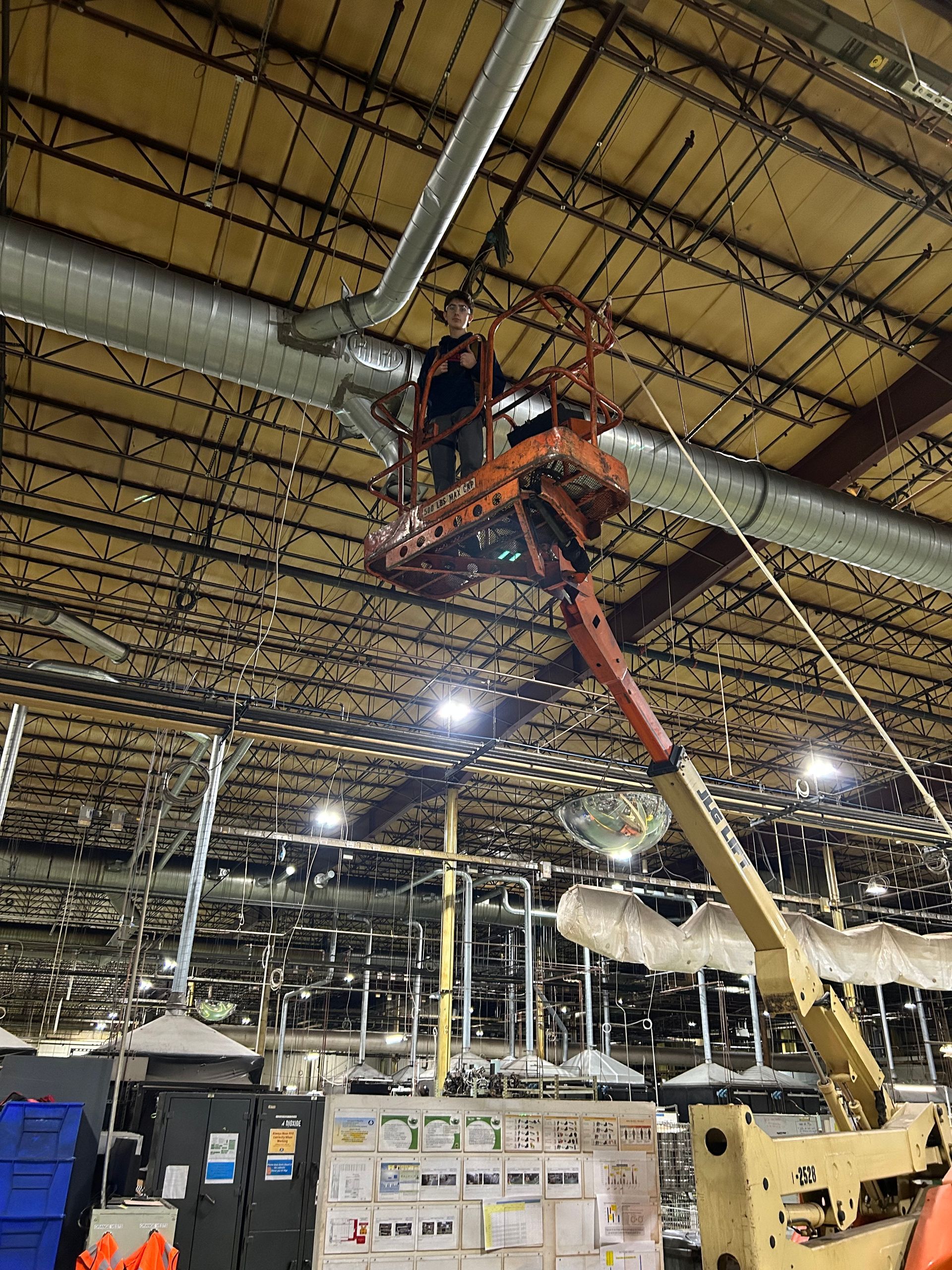
Industrial HVAC cleaning should be defined in practical terms so there’s no confusion on service day. We focus on accessible supply and return pathways, trunk lines, registers/grilles, and agreed-upon components tied to airflow performance—based on your access and authorization requirements. Planning covers staging, restricted zones, escort needs, and PPE expectations so onsite execution stays controlled. Verification and completion documentation are provided so you can track what was cleaned, where, and when. We support industrial operations throughout Ohio’s Franklin corridor and the Dayton/Columbus belt, with service availability extending to Oklahoma City when applicable.
Industrial Services FAQs
Planning, safety, and documentation—answered clearly
Can duct cleaning be done around production schedules?
Yes—industrial projects work best when they’re phased and aligned to access windows. We can plan by zone, line, or building segment so work occurs when it least impacts throughput. Off-hours or weekend blocks may also be used when access allows. The goal is predictable progress without a facility-wide interruption.
How do you handle safety requirements and access control?
We confirm site rules up front, including PPE, check-in procedures, restricted areas, and escort requirements. Staging and movement are planned so equipment placement and crew flow match your safety expectations. If access is limited to certain windows, we build the schedule around that reality. Anything excluded due to access constraints is documented clearly.
What documentation do you provide for facilities teams?
We provide completion notes tied to the agreed scope and the zones serviced so records are easy to file and reference. Reporting can be aligned to your internal structure (by building, zone, line, or area) when needed. If verification evidence is part of the plan, it’s captured in a practical format for stakeholders. This reduces follow-up and supports maintenance planning.
What’s included in industrial HVAC cleaning scope?
Scope is defined in HVAC terms—accessible supply/return pathways, trunks, registers/grilles, and agreed airflow-related components. The exact inclusions depend on system layout, accessibility, and authorization. We confirm what’s included before scheduling so there are no surprises. We do not offer duct restoration services.
What information helps you quote an industrial project quickly?
Learn more about Financing →Helpful details include facility size, number of buildings or zones, operating hours, access restrictions, and any special safety requirements. A basic layout or zone map speeds up planning and phasing. If you have priority areas tied to airflow issues or complaints, that helps set sequencing. With those basics, we can shape scope and scheduling efficiently.